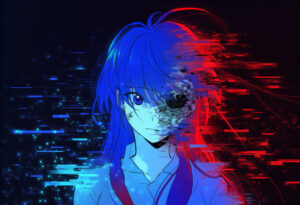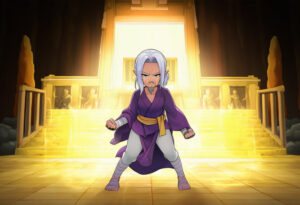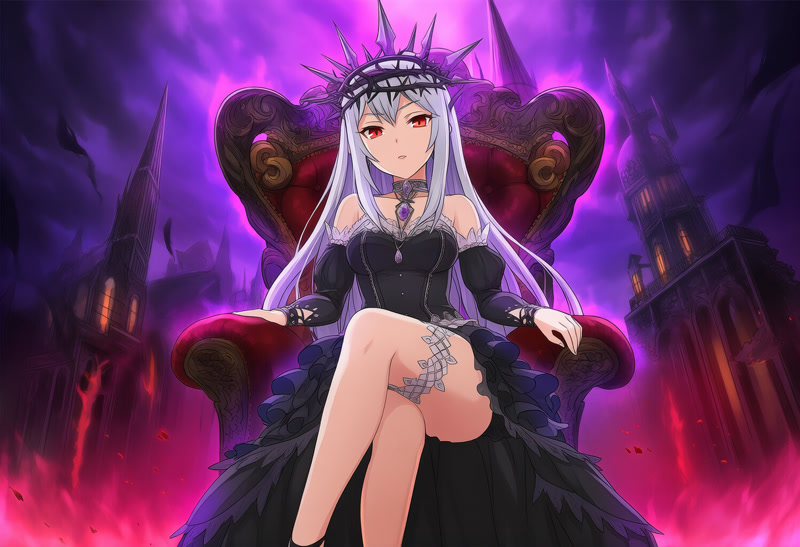
I’ve been looking for games where you play as the villainess for years, and I’m tired of coming up short. I’ve saved the world as the chosen one a hundred times. I’ve been the hero, the king, the prophesied one who rises from nothing to defeat the great evil. But what I really want is to be the evil queen sitting on the dark throne, watching heroes crumble at my feet — and gaming barely lets me. The industry will hand me a thousand brooding male anti-heroes and call it a day, but ask it for a proper villainess protagonist and suddenly nobody’s taking meetings. From a viral indie game that flips the Souls-like formula to an entire Japanese genre that Western gamers don’t even know exists, the villainess is out there. She’s just been hiding in places most gaming coverage never looks.
If you’ve ever wanted to be the dark queen instead of the farm boy who saves her, this one’s for you. Bookmark this, share it with someone who gets it, and let’s dive into the games that finally let women be the villain.
Games Where You Play as the Villainess — Why This Trope Slaps
Let me be honest about something: the hero’s journey has been done to death. I’ve rescued the kingdom, defeated the dark lord, and saved the princess so many times that the whole thing feels like clockwork. But the villainess? She’s different. She’s not saving anyone. She’s not noble. She’s powerful, unapologetic, and probably having way more fun than the hero ever did. When I play games where you play as the villainess, I’m not grinding through a morality tale — I’m inhabiting a character who was never supposed to win, and that’s what makes it electric.
The villainess trope works because it subverts every expectation gaming has trained into us. I’ve been taught that the protagonist is good, that power corrupts, and that the villain exists to be defeated. But when I’m the villainess, those rules collapse. I’m not the obstacle in someone else’s story — I’m the main character of my own. There’s a reason the “evil queen” archetype has endured for centuries in folklore: she represents a kind of power that’s rarely afforded to women in fiction — power that’s absolute, selfish, and unashamed.
And here’s the thing most gaming coverage misses: the villainess isn’t just a gender-swapped villain. She carries specific weight. A male villain is expected — he’s the default. But a woman who chooses darkness over virtue? That challenges assumptions about who gets to be powerful and what powerful women are “supposed” to do with that power. Playing as the villainess isn’t just fun — it’s quietly radical. And if you’ve ever wanted to play as a king and wondered why the evil queen version doesn’t exist, you already understand the gap I’m talking about.
Dark Queen of Mortholme — Being the Boss Fight From the Other Side
If there’s one game that captures what it feels like to be the villainess, it’s The Dark Queen of Mortholme. Developed by Mosu, this short indie game does something I’ve never seen another game attempt: it makes you the final boss of a 2D Souls-like. You play as the Dark Queen herself, sitting in your throne room, when a hero invades your domain. You crush them effortlessly. They die. And then they come back — stronger, more determined, just like a player would in a real Souls-like. You are the boss fight. They are the player.
The game takes about 40 minutes to play, and I’m not exaggerating when I say it wrecked me emotionally. Watching the hero persist — dying over and over, getting a little stronger each time — while you, the all-powerful Dark Queen, face the slow, creeping realization that you’re the obstacle in someone else’s story? That’s devastating. It’s the villainess experience distilled into its purest form: you have all the power in the world, and it means nothing because the story was never about you.
The Dark Queen of Mortholme went viral for good reason. As Rock Paper Shotgun described it, it’s a “reverse Elden Ring” — and that comparison is perfect. Every Souls-like player has wondered what the boss thinks when you walk into their arena for the tenth time. This game answers that question, and the answer is heartbreaking. It’s free on itch.io, it’s short, and if you care at all about the villainess as a character archetype, you owe it to yourself to play it.
The Otome Villainess Route — An Entire Genre Western Gamers Miss
Here’s something most Western gamers have never heard of: the akuyaku reijou trope. Translated roughly as “villainess reincarnation,” it’s a Japanese subgenre that has exploded over the past few years in manga, anime, and — crucially — games. The premise is simple and brilliant: you die and are reborn as the villainess of an otome game (a romance visual novel). You know, the character who’s destined for ruin — the mean girl who gets in the way of the heroine’s romance and ends up exiled, executed, or worse. Your goal is to survive a narrative that was written to destroy you.
This isn’t a niche within a niche anymore. The otome isekai villainess genre has spawned dozens of visual novels and games across Steam and itch.io. The most visible Western example is Save the Villainess: An Otome Isekai Roleplaying Game, which lets you guide a neurodiverse villainess through investigations, battles, and romance choices. But that’s just the tip of the iceberg. The itch.io villainess tag is packed with visual novels and indie games exploring this exact concept — villainesses fighting their predetermined fates, subverting the stories they were written into.
What makes this genre so compelling is the meta-narrative. You’re not just playing a character who happens to be a villainess — you’re playing a character who knows she’s the villainess. She knows the story. She knows how it ends. And she’s trying to rewrite it. That’s a metaphor that hits hard for anyone who’s ever felt like the world was written for someone else. The villainess isn’t evil by choice — she’s evil by authorial decree, and watching her fight back against her own narrative is genuinely moving.
Why doesn’t Western gaming media cover this? Because it lives in visual novels, on itch.io, and in spaces that traditional games journalism doesn’t patrol. It’s the same blind spot that makes mainstream coverage ignore entire genres of Japanese gaming — and it’s a shame, because the otome villainess route is one of the most interesting things happening in games right now.
Other Games That Let You Be the Bad Woman
Beyond the indie and otome scenes, there are a handful of games that let you inhabit the villainess — or at least something close to her. Here’s what I’ve found:
| Game | Platform | Villainess Type | Why It Counts |
|---|---|---|---|
| Etrange Overlord | PC, PS4, PS5, Switch | Full villainess | You play as Lady Étrange von Rosenburg, a noblewoman executed for a crime she didn’t commit who decides to conquer hell itself |
| Tales of Berseria | PC, PS5 (2026 Remaster) | Villainess-adjacent | Velvet Crowe becomes a literal demon driven by vengeance — the world sees her as a monster |
| Bayonetta series | PC, PS4, Switch, Xbox | Anti-heroine | An Umbra Witch who summons demons and fights angels — dark, dangerous, and unapologetic |
| Fire Emblem: Three Houses | Switch | Route-dependent | Edelgard’s Crimson Flower route lets you play as the female antagonist who reshapes an entire continent |
| Disgaea series | PC, PS4, Switch | Villainess-adjacent | Multiple female Overlord characters who rule the Netherworld with absolute authority |
Etrange Overlord is the newest entry on this list, from the creator of Disgaea, and it goes all-in on the villainess fantasy. Lady Étrange is unapologetic, powerful, and charming — she’s not an anti-hero with a secret heart of gold. She’s a woman who was wronged and decided the appropriate response was to take over hell. That’s the energy I want more of.
Tales of Berseria gave us Velvet Crowe back in 2016, and she remains one of gaming’s best villainess protagonists. She’s not misunderstood — she’s genuinely terrifying. Her left arm transforms into a monstrous claw that devours enemies. She commits atrocities in the name of revenge. The world views her as a villain, and from their perspective, she is one. A 2026 remaster brings her to new audiences, and I genuinely hope a new generation discovers how good this character is.
And then there’s Bayonetta — not a villainess in the strictest sense, but she occupies that villainess-adjacent space that I think counts. She summons demons. She fights angels. She dances naked to maintain her powers. She’s dark, dangerous, and uses traditionally “villainous” abilities as the protagonist. She subverts the villainess trope by embodying its aesthetics without being its morality. In a landscape where AI-generated slop is killing creativity in gaming, Bayonetta stands as proof that bold, unapologetic character design still matters.
What I notice every time I look at this list is how short it is. I can name dozens of games where you play as a male villain. Overlord, Dungeon Keeper, Prototype, Destroy All Humans — the list goes on. But games where you play as the villainess? I’ve just given you most of them. That gap is the problem.
Why Gaming Needs More Villainesses
I’m going to say something that might be controversial: the reason there are so few villainess protagonists isn’t because there’s no demand. It’s because the industry doesn’t believe the demand exists. Female protagonists are already underrepresented in AAA gaming. Female villain protagonists? That’s a niche within a niche, and risk-averse publishers see that math and run. But the demand is real — it’s just living in places the AAA industry doesn’t look.
The itch.io villainess scene is thriving. The otome isekai villainess genre is booming in Japan and growing on Steam. The Dark Queen of Mortholme went viral precisely because people want this experience. Every Reddit thread asking for villain protagonist games gets Tales of Berseria as the top female suggestion — and then the thread moves on to male villains because there simply aren’t more options. The audience exists. The games just don’t.
And I think the deeper issue is that the villainess trope challenges gender expectations in ways that make the industry uncomfortable. A woman who is powerful, cruel, and unapologetic makes people uneasy in ways that a male villain doesn’t. Male villains are cool — they’re charismatic anti-heroes, brooding bad boys, tragic figures. Female villains are “bitchy” or “shrill” or reduced to the femme fatale trope. When the industry does give us a female villain, she’s usually a boss to be defeated, not a character to be inhabited. She exists to be looked at, not played as.
I want more games where I get to be the dark queen. I want to sit on the throne, command the armies, and make the hero beg for mercy. I want the villainess to be the protagonist of her own story — not the footnote in someone else’s. And while I worry that AI-driven game development will push publishers toward safe, data-driven choices that make niche genres even harder to greenlight, I also see the indie scene proving that the villainess has an audience. The dark queen deserves her turn. It’s time for gaming to give it to her.
Frequently Asked Questions
What games let you play as a female villain?
The best options right now are Etrange Overlord (full villainess protagonist), Tales of Berseria (Velvet Crowe is viewed as a villain by the game’s world), The Dark Queen of Mortholme (you play as the final boss), and various otome isekai villainess visual novels on itch.io and Steam like Save the Villainess.
Are there any games where you play as the evil queen?
Yes — The Dark Queen of Mortholme is the most direct example. You literally play as the Dark Queen, the final boss of a Souls-like game. It’s short, free on itch.io, and emotionally devastating. Etrange Overlord also lets you play as a noblewoman who conquers hell after being wrongfully executed.
What is the villainess otome isekai genre?
It’s a Japanese subgenre where you’re reborn as the villainess of a romance game — the character destined for a bad ending. Your goal is to survive and rewrite your fate. It’s huge in Japan and growing on Steam and itch.io, but Western gaming media barely covers it. Save the Villainess is the most visible English-language example.
Why are there so few female villain protagonists in games?
Multiple reasons: gaming’s default protagonist is male, female villains are usually reduced to boss fights rather than playable characters, the villainess trope challenges gender expectations in ways that make publishers uncomfortable, and AAA studios see female villain protagonists as too risky for big budgets. The demand exists — it’s just concentrated in indie and Japanese gaming spaces.
Is The Dark Queen of Mortholme worth playing?
Absolutely. It’s free, takes about 40 minutes, and delivers one of the most emotionally affecting villainess experiences in gaming. You play as the final boss watching a hero invade your domain over and over. It went viral for a reason — it makes you feel what it’s like to be on the other side of the hero’s journey.
Conclusion
The villainess is one of gaming’s most underserved character archetypes, and the games that do let you play as her prove how much potential she has. The Dark Queen of Mortholme showed me what it feels like to be the boss fight. Etrange Overlord gave me a villainess who takes over hell without apologizing. Tales of Berseria handed me a protagonist so consumed by rage that the entire world sees her as a monster. And the otome isekai villainess genre is quietly thriving in spaces most Western gamers never visit.
I don’t want to save the world anymore. I want to rule it — or burn it, depending on my mood. The villainess deserves more than a boss arena and a tragic death scene. She deserves her own game, her own story, her own throne. And until AAA gaming catches up, I’ll be right here in the indie scene, playing every dark queen I can find.
If this resonated with you, check out these related articles: