Clothing damage in games is one of those mechanics that sounds like a gimmick but can actually add tension and realism to combat. When your armor breaks mid-fight, it changes the stakes. Some games use it for fanservice, others for immersion, and a few for genuine gameplay mechanics. I’ve played every game with a clothing damage system I could find, and here are the ones that do it right — and the ones that don’t.
Updated April 2026.
Games That Do It Right
Soulcalibur VI
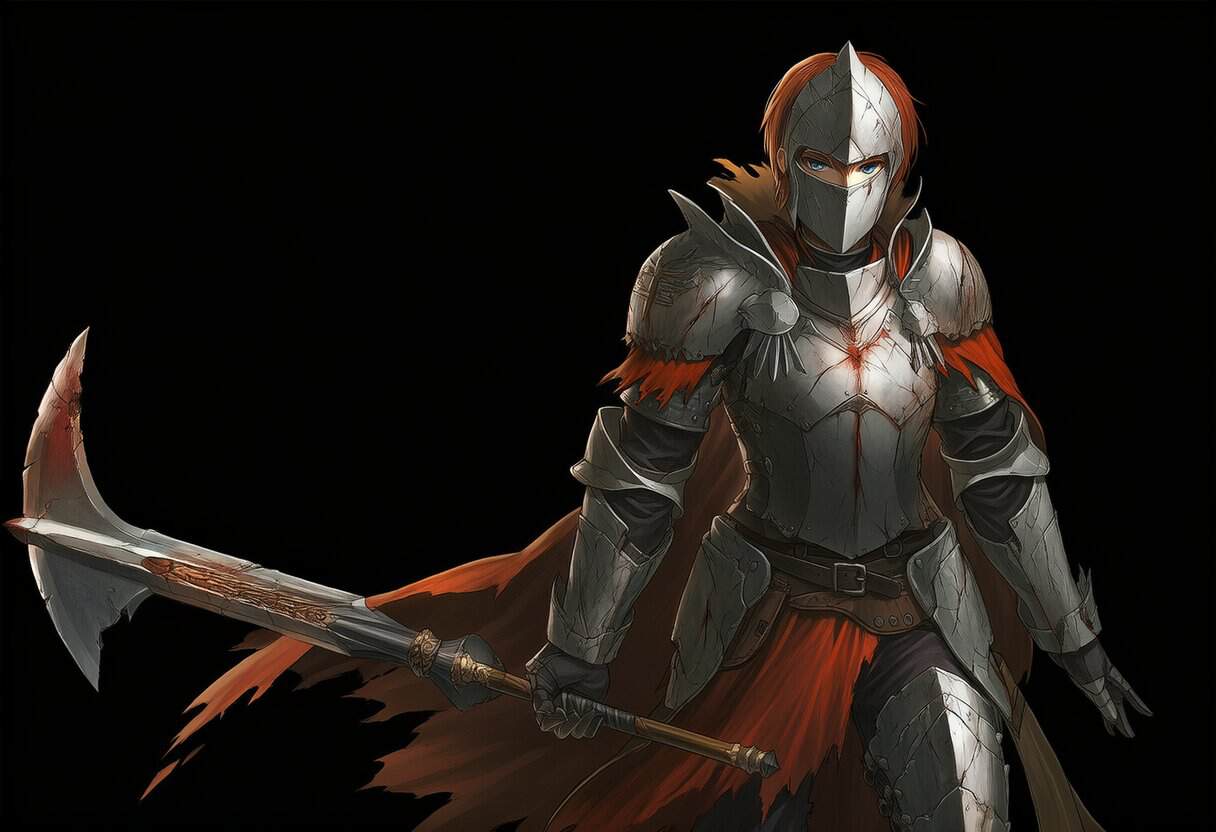
Soulcalibur’s armor break system is the gold standard. When you take heavy hits, pieces of your armor shatter and fall off. It’s visual, it’s dramatic, and it affects gameplay — broken armor means more damage taken to that body part. I’ve had matches where my helmet shattered in round 1 and I had to play more cautiously for the rest of the fight. The system adds real stakes to every hit. It’s not just cosmetic — it’s tactical.
Dead or Alive 6
DOA6’s clothing damage is… well, it’s Dead or Alive. Clothes tear and rip during fights, revealing more skin. It’s clearly designed for fanservice, but the damage system is consistent — certain moves target certain clothing areas, and the damage is visible and progressive. I won’t pretend this is high art, but the system is well-implemented. If you’re going to have clothing damage, at least make it consistent and gameplay-relevant. DOA6 does both.
Ninja Gaiden Sigma
Ryu Hayabusa’s outfit gets progressively damaged as you take hits. By the end of a tough fight, his shirt is shredded and he’s covered in blood. It’s not a gameplay mechanic — it’s purely visual — but it adds to the sense that you’ve been through a war. I always felt more invested when my character looked like they’d been fighting for their life. The visual storytelling works.
Resident Evil 4
Leon’s jacket gets damaged and eventually removed during gameplay. When he takes hits, you see the wear and tear. It’s subtle but effective — by the time you reach the castle, Leon looks like he’s been through hell. I noticed the jacket damage on my third playthrough and it made me appreciate the attention to detail. It’s not a mechanic, it’s atmosphere.
Games That Miss the Mark
Senran Kagura Series
The clothing damage IS the game. It’s the entire selling point. Every attack shreds clothing until characters are in their underwear. There’s no gameplay impact — it’s pure fanservice. I played one game in the series for about 2 hours and got bored. When clothing damage is the only thing your game has going for it, it’s not enough. The combat is actually decent, but the constant focus on clothing destruction undermines it.
Onechanbara
Zombie slayers in bikinis whose clothes get more damaged as they fight. It’s exactly what it sounds like. The combat is mindless hack-and-slash and the clothing damage is gratuitous. I played it for the novelty and moved on quickly. There’s a market for this, but it’s not a good game.
Games That Should Have It But Don’t
Elden Ring
Imagine fighting Malenia for 3 hours and your armor gradually cracking and breaking. It would add incredible visual storytelling. FromSoftware will never do this, but I can dream. The closest we get is the blood splatter system, which is actually well-done.
Monster Hunter
Your armor takes zero visual damage despite being chewed on by dragons. Monster Hunter is all about the armor — showing it break would be a perfect fit. I’ve wanted this since MH3U. Capcom, please.
My Final Thoughts
Clothing damage works best when it’s tied to gameplay — Soulcalibur VI proves this. When armor breaks, the fight should feel different. Pure cosmetic damage can work for atmosphere (Ninja Gaiden, RE4), but pure fanservice gets old fast. I want more games where clothing damage means something — where a broken helmet changes how you play, not just how you look.
Continue reading: